By Jerry Ostrander, Managing Director and Principal, Environmental Solutions Group at Partner | Published on April 27, 2026 in Propmodo.com
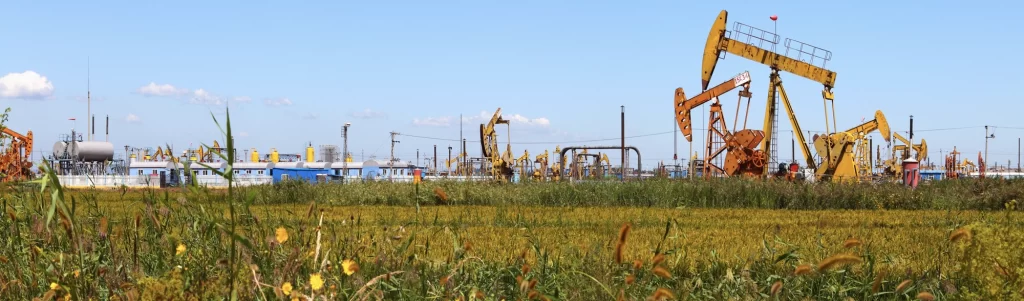
Environmental challenges are a reality in many development projects. They pose a costly risk that is hard to fully underwrite. From contaminated soil to groundwater concerns and regulatory hurdles, these issues can quickly escalate into costly remediation efforts and debilitating delays if not managed strategically. The good news is that developers have more control than they might think. With the right approach, environmental considerations can be integrated into the project lifecycle in a way that protects both timelines and budgets.
There are a number of important factors to consider to help prevent environmental contamination concerns from becoming impenetrable roadblocks.
In this
article from Propmodo.com, Jerry Ostrander discusses a number of important factors to consider to help prevent environmental contamination concerns from becoming impenetrable roadblocks.