Amid evolving and often uncertain federal regulations, state environmental agencies have increasingly taken the lead in developing policies to address PFAS.
When managed well, the Owner's Representative punch list process supports a clean project closeout. Issues are resolved before occupancy, reducing disruptions and protecting long-term asset value. By combining discipline, accountability, and the benefit of fresh eyes, an Owner’s Representative helps ensure the project is delivered as intended and ready for successful operation from day one.
Capital planning in commercial real estate has entered a new phase. In addition to traditional lifecycle replacements, managers now face a growing set of capital needs driven by energy ordinances, decarbonization goals, and climate risk. These drivers are no longer peripheral considerations; they are central to how capital plans are developed, prioritized, and executed.
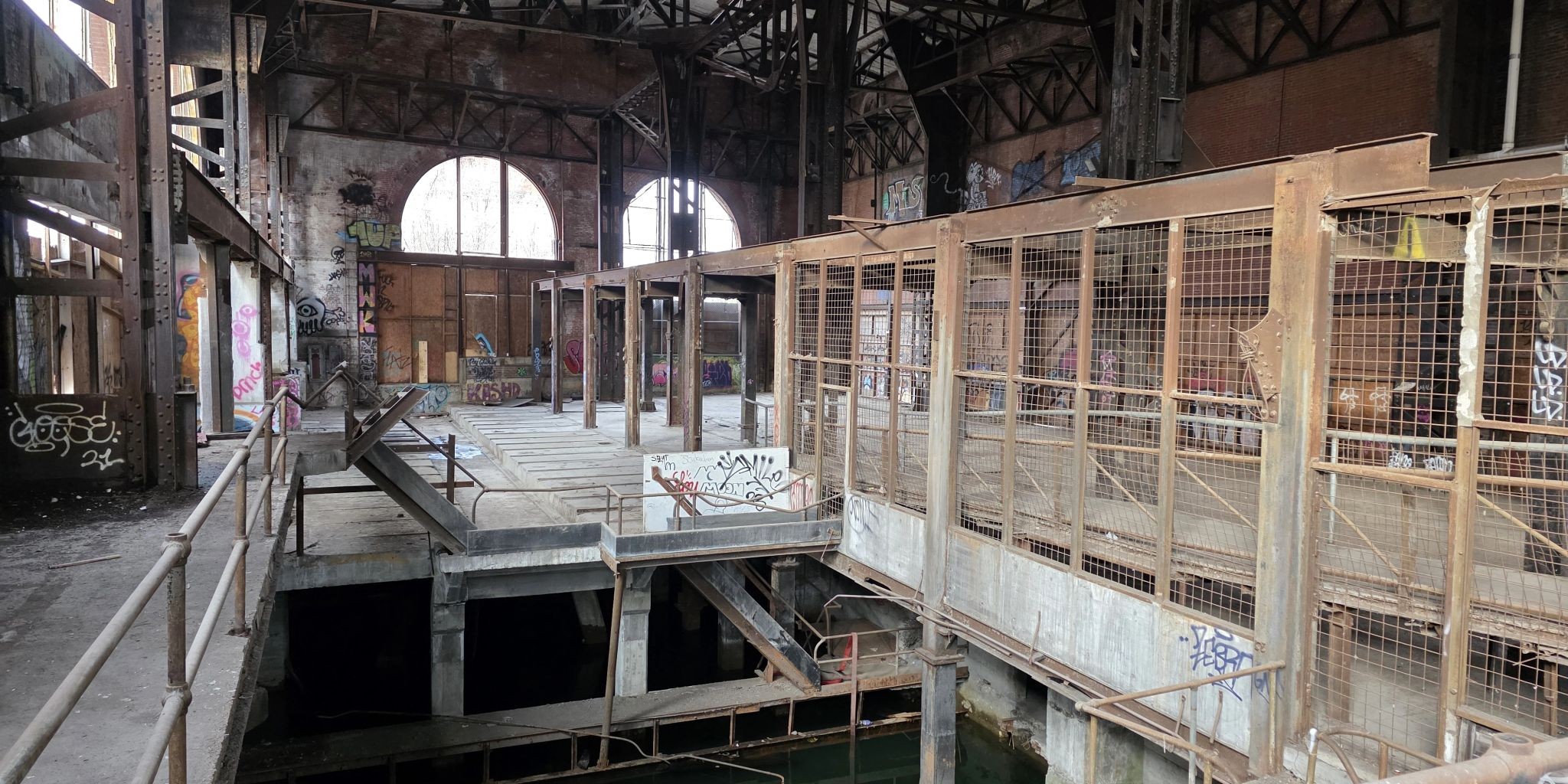
In cities across the country, historic industrial assets continue to present challenges and untapped potential. For developers willing to navigate the complexity – and for advisors equipped to translate that complexity into actionable insight – these properties can become catalysts for long-term urban reinvestment.
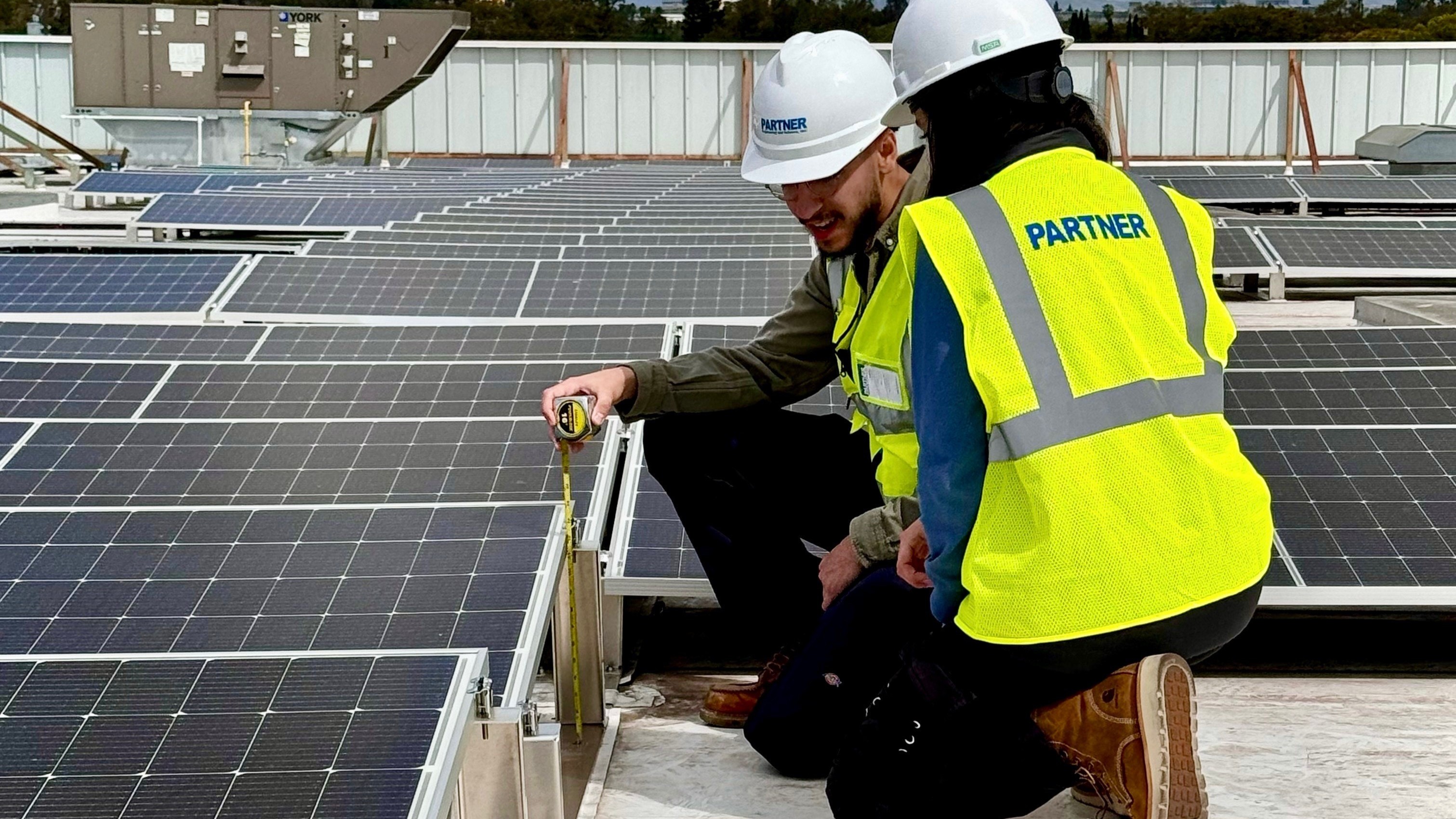
The opportunity to preserve federal solar tax incentives for commercial real estate projects remains available, but the timeline to act is increasingly defined by near-term financial and construction milestones. For CRE owners evaluating rooftop solar across their portfolios, the 5% Safe Harbor pathway may provide the clearest opportunity to preserve flexibility while securing available tax benefits before current deadlines take effect. At the same time, projects capable of reaching Placed in Service status by the end of 2027 may remain viable in many markets.
Corey Myers discusses how proactive indoor air quality programs help commercial property teams prevent mold, moisture, and tenant complaints before they escalate.
In this article from Propmodo.com, Jerry Ostrander discusses a number of important factors to consider to help prevent environmental contamination concerns from becoming impenetrable roadblocks to development projects. Environmental challenges are a reality in many development projects.
An integrated, enterprise-level environmental strategy unifies environmental due diligence, remediation, environmental, health and safety (EHS), and compliance, energy and sustainability, and real estate support under one coordinated framework supported by building sciences expertise.
As PFAS continue to reshape the construction risk landscape, lenders that proactively integrate PFAS considerations into underwriting, due diligence, and loan structuring are better positioned to manage uncertainty and protect collateral value.
The U.S. Department of Housing and Urban Development (HUD) has suspended the requirement to use the CNA eTool for 10-year updated Capital Needs Assessments and several other Office of Asset Management transactions.
Across CRE stakeholders, the defining shift in 2026 is a move away from optimism-based planning toward evidence-based execution. Engineering, energy, and construction risk management are proactive tools that enable data-driven investment, lending, and asset management decisions.
Developed through a joint collaboration between the American Land Title Association (ALTA) and the National Society of Professional Surveyors (NSPS), the 2026 ALTA/NSPS Guidelines have been released and will take effect on February 23, 2026. This 11th edition includes eight sections and updates to Table A Optional Items. Most revisions focus on tightening and clarifying language and improving surveyors’ field procedures with minimal anticipated impact on project timelines or costs. Below are highlights of the changes most relevant to commercial real estate professionals.
In a market defined by interest-rate volatility, shifting property performance, and evolving investor expectations, appraisal has become a stabilizing force that brings clarity to complex transactions in commercial mortgage-backed securities (CMBS).
Partner’s Asset Data Collection and Management services provide the expertise and tools to help you build that foundation — so Yardi works for you, not against you. Contact Partner today to learn how professional data collection can elevate your facility management program.
As the broader commercial real estate market continues to navigate economic headwinds, the healthcare sector has quietly charted a course of resilience and growth. Healthcare real estate has demonstrated a unique ability to adapt, driven by rising demand, strategic investor interest and a shifting landscape of care delivery.
In this latest GlobeSt article, JR Lephew discusses the potential effect on housing development and mortgages as it relates to Trump's new One Big Beautiful Bill Act (OBBA). After a high-profile battle in both houses of Congress, Trump’s One Big Beautiful Bill Act (OBBA) will take effect starting in 2026.
In March 2025, the Federal Housing Finance Agency (FHFA) rescinded its 2022 directive that had imposed standardized radon testing requirements on all multifamily properties financed through Fannie Mae and Freddie Mac. The new radon policy was effective immediately; however, the agency guidance documents would be updated at a later date.
SBA SOP 50 10 8 Environmental Updates: What’s New Published April 24, 2025; Updated May 30, 2025, upon release of the SOP 50 10 8 with Technical Updates. SOP 50 […]
When future economists look back on 2025, perhaps they’ll refer to this period as, “The Great Hesitation.” Consumer and business confidence is down and the whole world seems to be waiting for the proverbial other shoe to drop. In all instances the underlying demand is there; the common denominator is fear that the market will change.
Bolstered by limited supply and a light construction pipeline, retail real estate is performing well and is expected to continue to perform through 2025. The industry is experiencing low vacancy and high rent spreads that are contributing to positive outcomes.
For commercial real estate developers and property owners with interests along pipeline rights-of-way (ROWs), understanding the Pipeline and Informed Planning Alliance (PIPA) risk mitigation program is crucial, since it may be necessary for LIHTC funding applications.
State and Local Regulations Will Continue to Drive Fannie Mae and Freddie Mac Radon Testing Practices By Pamela Horne, Environmental Technical Director of Agency Services, and Shavaun Cotter, Technical Director, […]
The WAIRE Program is one of many steps California is taking to address air quality and emissions within the commercial real estate sector. For warehouse operators, compliance with this program is essential, not just to avoid penalties but to align with broader trends in sustainability and regulatory compliance.
The CA Balcony Inspection Law has been incorporated into the California Health and Safety Code – HSC, Article 2.2 [17973]. The new name for the service is California E3 Inspections/California Balcony Inspections. E3 is short for Exterior Elevated Element.
Christy Kim, AIA CASp, and Sara Ehrentreu provide insightful perspectives on the potential changes to building codes and their impact on rebuilding efforts after a fire.
The hospitality sector is enjoying renewed interest from investors, with more deals in the pipeline, increased refinancings, and improved transaction volume. While the industry still faces challenges, optimism prevails for modest growth over the next year.
Beyond the immediate damage caused by flames, residual damage caused by smoke and soot can leave lingering effects requiring thorough restoration and clean-up of your commercial or residential property. Understanding the smoke damage cleanup process and knowing what to expect can help commercial and residential property owners navigate this challenging time more effectively.
Experiencing a fire in your home or commercial property can be devastating. Beyond the visible damage, fires can significantly impact indoor air quality, posing health risks to occupants. In this article, we provide property owners, both commercial and residential, with essential information about indoor air quality testing after a fire and offer tips for safely re-occupying the property.
By Joseph Derhake, PE and Eric Enloe, MAI, CRE, FRICS
If you need strategies to meet the challenges and opportunities coming your way over the next year, check out this article by Partner CEO Joe Derhake and Eric Enloe, Senior Managing Director of Partner Valuation Advisors.
By Matthew Marcus, PE, GE, PG and Christy Kim, AIA, CASp
In response to the recent wildfires in Los Angeles, homeowners have many questions about rebuilding. Below are some commonly asked questions along with detailed answers. Please note that regulations and building codes vary by jurisdiction, which can impact costs and permitting requirements significantly.
Partner’s certified Environmental Health & Safety Fire Response team offers post-fire assessment and clean-up services to help property owners get through the aftermath of fire events.
By Eric Enloe, MAI, CRE, FRICS and Brandon Nunnink, CFA
Valuation professionals look to the REIT markets and their reflection of bid-ask spread to anticipate next year’s transaction volumes. Despite the uncertain economic outlook for 2025, one metric shows signs of improvement: transaction volumes. After two years of decline, indicators point to increased transaction volume over the coming year.
Many national retailers use the NNN sale-leaseback model to expand geographic presence while reducing debt and avoiding the risks of real estate ownership the risk to be successful in a sale-leaseback investment. By engaging a consultant expert in CRE as well as the engineering and construction of commercial buildings, sale-leaseback investors can protect their cash flow and capital while enjoying the hands-off ownership experience.
By Bill Tryon and Jessica Wright, LEED AP, TRUE Advisor
ASTM has published a guide for Property Resilience Assessment, ASTM E3429-24 Standard Guide for Property Resilience Assessments. Partner’s resilience experts are here to help clients navigate the new ASTM guide and mitigate physical risks to their properties.
Data centers are in high demand by many industries, including agriculture, banking, inventory, defense, mining, and healthcare. However, the data center conversion process can be challenging due to the complex infrastructure requirements of data centers. Click to learn more.
On September 28, 2024, California’s Governor approved Bill AB2579. Passed by the Assembly and Senate, AB2579 will extend the deadline for the initial California E3 Balcony Inspections to January 1, 2026. This extension helps owners and operators who are struggling to complete inspections on time.
Matthew Marcus, PE, GE, PG, Managing Director at Partner Engineering and Science, Inc., discusses three ways Geotechnical consultants offer services that go beyond evaluating the soil conditions beneath planned structures at the beginning of design.
Recent EPA Ruling About PFAS Has Ramifications for Buyers of Commercial Real Estate. Learn How PFAS Risk Is Assessed and Managed During Acquisition. By By Kathryn Peacock, & Steven Luzkow, published […]
What are PFAS? PFAS, or per- and polyfluoroalkyl substances, are man-made chemicals widely used in various industrial applications and consumer products. Why are PFAS a concern? PFAS are forever chemicals that may also pose serious health risks.
In real estate, failing to identify potential defects during the research phase can mean the difference between profitability and insolvency. By Brett Hayes, PE, CDT, LEED AP BD+C, National Client […]
EPA designates two PFAS “Forever Chemicals” as hazardous substances and sets legally enforceable drinking water standards. By Kathryn Peacock, National Client Manager; and Steve Luzkow, Technical Director, both work at […]
Given retail market conditions today, it’s no wonder that adaptive reuse is a hot topic. Repurposing an existing asset is generally faster, more cost-effective, and more sustainable than new development. Learn more about Adaptive Reuse options.
By Katie L. Morgan, PWS, EP | Published on Oct. 30, 2023 in Utilities Tech Outlook Taking a scientific and engineering approach in your due diligence process will ensure your […]
Frequently Asked Questions about Establishing Rooftop Solar Systems When exploring the possibility of installing a rooftop solar system, individuals and businesses often have several questions to ensure a clear understanding […]
When exploring the possibility of installing a ground-mount solar system, individuals and businesses may have questions. Here are some frequently asked questions about getting ground-mount solar systems...
The New ASTM E1527-21 Standard is Here! Every 8 years, the ASTM Standard in use undergoes a thorough review by a committee of peers from various backgrounds including but not […]
Investing in Predisposition Due Diligence Allows You to Drive the Narrative Interest rates are up, transaction volume is down, and on the deals that are getting done, buyers and lenders […]
Strategies Can Keep CRE Players Competitive After a high-performing first half of 2022, recent weeks have felt arduous and lethargic. Declining transaction volume coupled with yo-yoing rates have left the […]
New SEC Rules Would Require and Standardize ESG Reporting As investors continue to weigh the impact of climate change on their portfolios, the SEC aims to require the disclosure of […]
While typically performed upon the sale/purchase of a property, a PCA is a great tool to assess and document the condition of a retail space, too—particularly for anchor tenants or net-leased spaces—and identify needed repair at the commencement or termination of a lease.
Reducing Your Liability When Developing On Contaminated or Potentially Contaminated Properties Historically, the term “vapor intrusion” was discussed only in association with the most heavily contaminated properties. Now, with the […]
With storm season upon us, CRE owners and facility managers may find themselves acutely aware of the state of their roofs. Hopefully, you have a comprehensive Roof Management Program in place to protect the most expensive system in your commercial building and reduce the likelihood of leaks.
What is an Independent Engineer Report? The Independent Engineer provides the critical technical expertise necessary to ensure the successful completion and goal realization of large renewable energy projects. Below are […]
Some CRE Markets Might Be Impacted by Growing Issue PFAS is currently a hot topic in the environmental community, and with the help of a few high-profile corporate lawsuits and […]
Seismic, Structural and Energy Requirements in California If you’ve got multifamily assets in California, your regulatory compliance to-do list is getting longer. Depending on the cities or municipalities where your […]
In this article from Propmodo.com, Brady Mills cautions that before CRE organizations can fully leverage the next generation of AI and technology, they must first address a more fundamental challenge: building the data foundation that makes better decisions possible.
Amid evolving and often uncertain federal regulations, state environmental agencies have increasingly taken the lead in developing policies to address PFAS.
Legionella bacteria have long been a concern for building owners and operators, particularly after high-profile outbreaks in major cities. For commercial real estate owners and managers, staying informed is an essential part of risk management and operational compliance.
For commercial real estate owners, developers, and investors, the program offers a more flexible and efficient path to address contamination, particularly at lower-priority sites enrolled in voluntary cleanup.
When managed well, the Owner's Representative punch list process supports a clean project closeout. Issues are resolved before occupancy, reducing disruptions and protecting long-term asset value. By combining discipline, accountability, and the benefit of fresh eyes, an Owner’s Representative helps ensure the project is delivered as intended and ready for successful operation from day one.
Capital planning in commercial real estate has entered a new phase. In addition to traditional lifecycle replacements, managers now face a growing set of capital needs driven by energy ordinances, decarbonization goals, and climate risk. These drivers are no longer peripheral considerations; they are central to how capital plans are developed, prioritized, and executed.
Partner is the leading provider of engineering, environmental, construction, energy, and valuation consulting for the commercial real estate industry. We help our clients manage risk, make smart investments, optimize asset performance, and win at their real estate investment strategies.