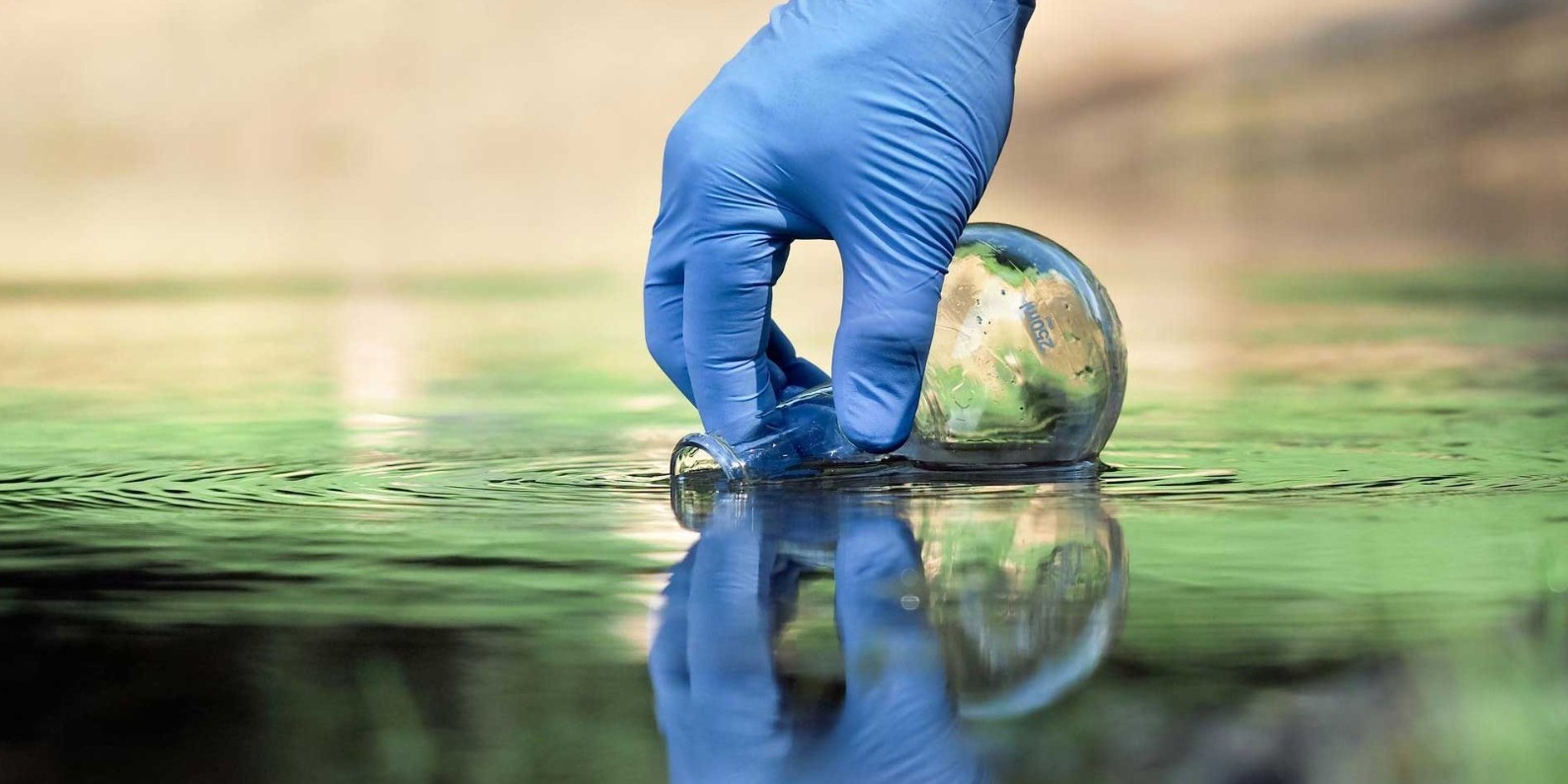
Recently, the result of an annual water quality testing in a New Jersey public school district was released to the public. The results indicated that some schools have been using water contaminated with dangerous levels of lead. It is not clear how long children and staff have been exposed to the contaminated water, but it brings a larger issue to the surface. Right now, water quality testing in schools is not required by state or federal environmental protection agencies. While it is done voluntarily on an annual basis, the results are typically not released to the public.
How does lead get into drinking water?
Lead can enter drinking water when service pipes that contain lead corrode, especially where the water has high acidity or low mineral contents that disintegrates pipes and fixtures. Lead contamination issues are most common problem with brass or chrome plated brass fixture with lead solder. This lead solder can release significant amount of lead into the water, especially hot water, which accelerates corrosion.
Continue reading the GlobeSt blog here.