Recent NYC Outbreak Prompts Building Owners to Revisit Best Practices for Water System Maintenance
By Brian Nemetz, CMC
The New York City Health Department is currently investigating a community cluster of 73 cases of Legionnaires’ disease, including three deaths as of August 6. The outbreak in Central Harlem is a call to action for building owners and managers across the country, whose compliance with local regulations and implementation of preventive measures are critical in safeguarding public health and avoiding legal liability.
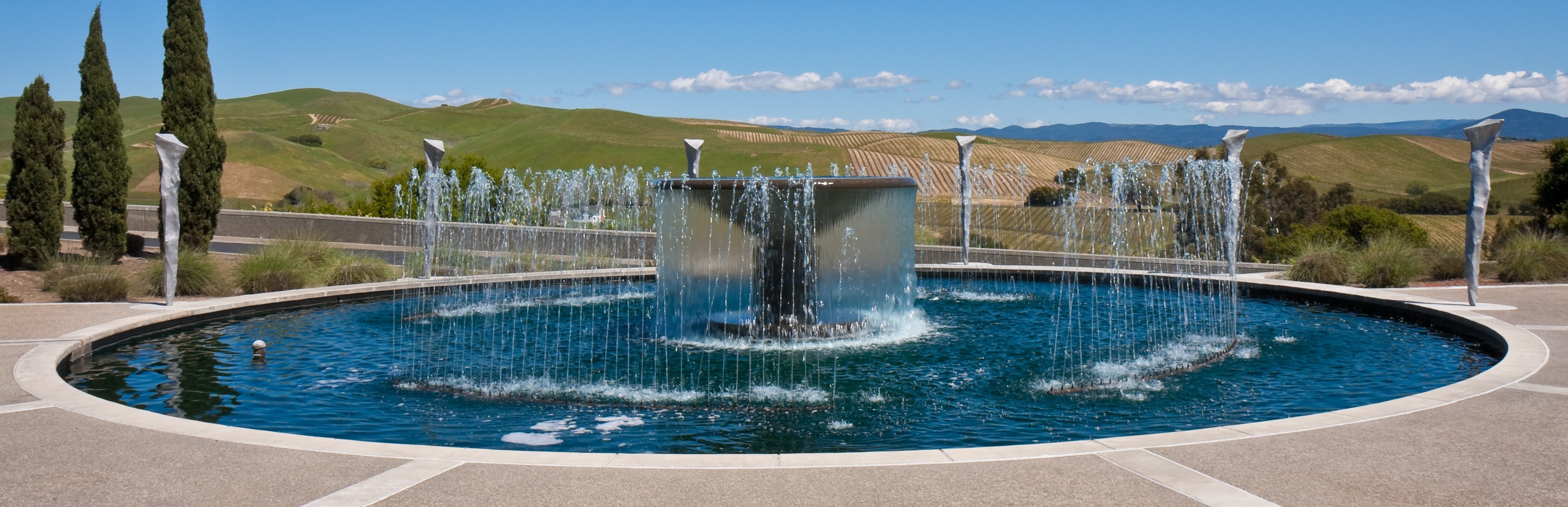
Legionnaires’ disease is similar to pneumonia and is usually contracted by inhaling water droplets that contain the Legionella bacteria. Legionella thrives in warm, stagnant water. Man-made water systems, such as those in commercial buildings, hospitals, and large residential properties, can provide ideal conditions for the bacteria to grow and spread. Common risk areas include cooling towers, showers, hot tubs, and decorative fountains. If not properly maintained, these and other systems can aerosolize contaminated water, posing a serious health threat to occupants, visitors, and the public.
Guidance & Regulations for Property Owners
Despite a growing awareness of the danger, confirmed cases of Legionnaires’ disease continue to be identified nationwide. Both government and private institutions have developed guidance aimed at preventing the proliferation of the bacteria. The Centers for Disease Control and Prevention (CDC) offers several practical resources to aid in the control, testing, and response to Legionella contamination. Complementing this, the American Society of Heating, Refrigerating, and Air-Conditioning Engineers (ASHRAE) established Standard 188—officially titled Legionellosis: Risk Management for Building Water Systems—which outlines best practices for water system design, maintenance, and monitoring. Though not legally binding in all jurisdictions, these standards are widely adopted across the U.S. in the interest of protecting public health.
In New York, however, compliance is not optional. The state and city have enacted some of the most rigorous Legionella regulations in the country, particularly targeting cooling towers and healthcare facilities. These rules were developed in response to several high-profile outbreaks and are strictly enforced.
For building owners and operators of cooling towers, requirements include registering each tower with the New York State Department of Health and the NYC Cooling Tower Online Portal, conducting routine inspections every 90 days, and testing for Legionella on the same schedule. Additionally, each facility must maintain a site-specific Maintenance Program and Plan (MPP) that aligns with ASHRAE 188 and includes detailed procedures for regular cleaning, disinfection, and corrective action if elevated bacterial levels are detected. If Legionella levels exceed actionable thresholds or a case of Legionnaires’ disease is suspected to be linked to the property, owners are required to notify local health authorities immediately.
Healthcare facilities in New York face even more stringent standards. Hospitals and other institutions governed by Article 28 of the Public Health Law must maintain a facility-wide water management program. These plans must incorporate regular environmental assessments, culture sampling, and swift corrective actions when contamination is identified. Given that immunocompromised individuals are especially vulnerable to Legionnaires’ disease, these extra layers of protection are vital.
Best Practices for Risk Mitigation
For owners and managers of commercial buildings, multi-family properties, or hospitality facilities, the risk may not always be top of mind—but it should be. Mitigating the risk of Legionella requires a proactive, ongoing commitment to water system maintenance. This begins with developing a comprehensive water management plan that identifies all potential sources of aerosolized water, assesses risks at each location, and establishes protocols for temperature control, disinfection, and monitoring. Staff and contractors should be trained on this plan, and all activities must be documented meticulously.
Regular testing is also essential. Culture sampling remains the gold standard for Legionella detection, but newer technologies like qPCR can offer faster results, allowing for more responsive action. If contamination is found, common remediation steps include hyperchlorination, thermal disinfection (raising water temperatures to kill bacteria), and mechanical cleaning of tanks, pipes, and cooling tower basins. Traditional sampling methodologies require 10-14 days for the samples to culture.
Importantly, mitigation is not just about regulatory compliance—it’s also about managing liability and reputational risk. A confirmed case of Legionnaires’ disease linked to a property can result in costly legal consequences, negative media attention, and long-term damage to tenant and customer trust. Insurance providers are increasingly scrutinizing Legionella prevention programs, and some policies may exclude coverage for outbreaks stemming from negligent maintenance.
In short, building owners and managers must treat Legionella control as an integral part of facility operations. Whether prompted by a regulatory mandate or a voluntary commitment to occupant safety, the tools and standards exist to keep water systems safe and minimize risk. With NYC’s public health advisory serving as a timely reminder, now is the time to revisit your Legionella management strategy. Be sure to engage a consultant with direct expertise and experience in the identification of Legionella sources and in the design of management plans and systems to control and eliminate the potential growth of Legionella bacteria. Working closely with your local health department, a qualified consultant can help you identify any potential sources of concern and develop effective strategies to address them.