The year 2016 saw an unprecedented boom in multifamily green financing programs. While the GSEs have been committed to sustainability initiatives for many years, this year was different. HUD, Fannie Mae, and Freddie Mac all updated existing programs and/or introduced new programs that were significantly more attractive for everyone than previous iterations. The result? From 0 to 60 in a matter of months. As of late 2016, over $3.2 billion in green loans were funded by Freddie and Fannie—an unprecedented amount.
What exactly made these green finance programs so attractive?
For one, flexibility. There are a lot of ways to get to the pot of gold. (And yes there is a pot of gold; I’ll get to that next.) Both Freddie’s and Fannie’s programs allow borrowers to take credit for already being green (projects that possess a green certification), or for committing to be green (pursue a green certification, or reduce energy and/or water consumption). Those reduction measures are identified through an energy audit, which provides a roadmap to achieve goals that are most cost-effective.
Continue reading the GlobeSt blog here.

May 20, 2026
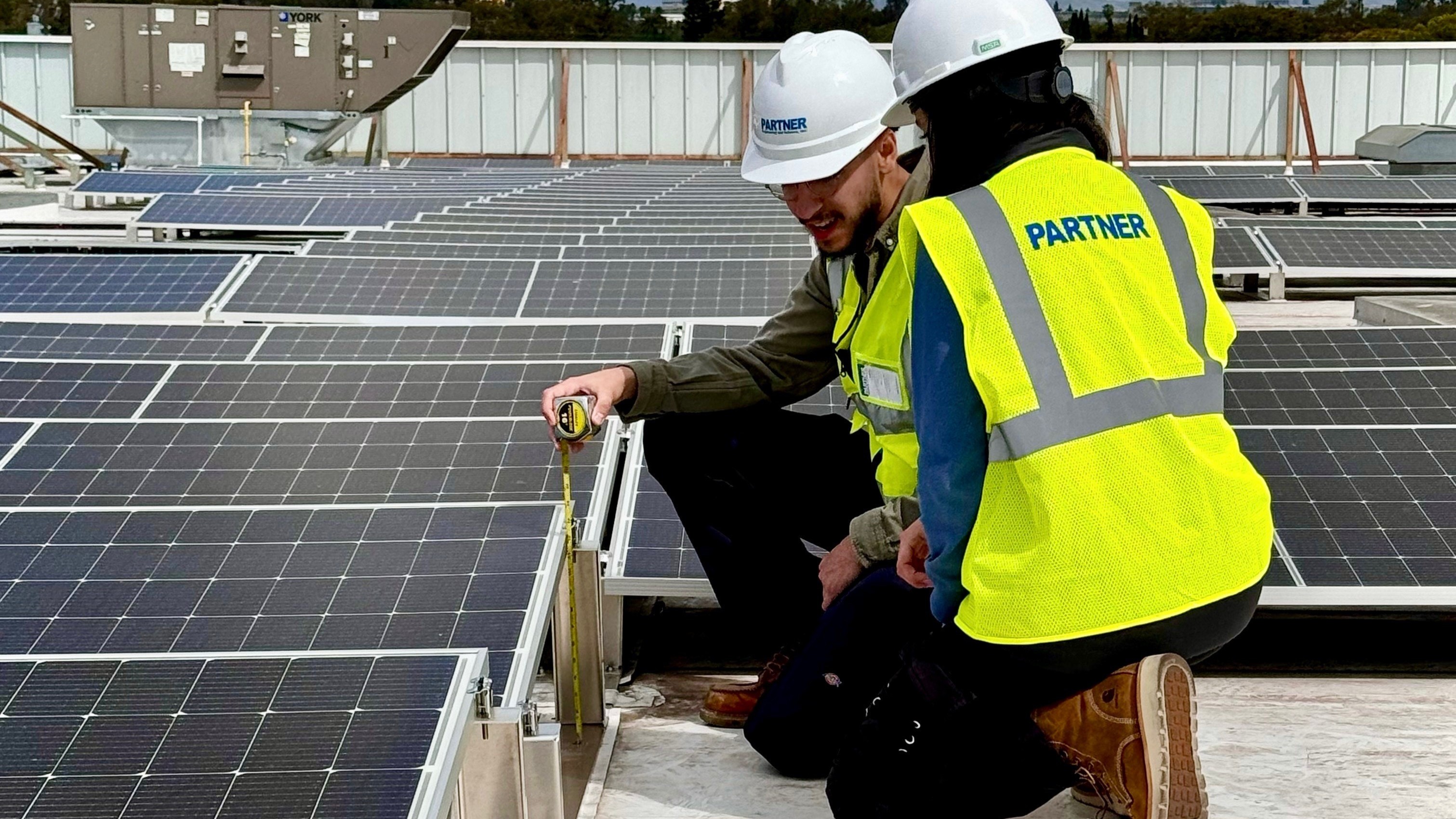
The opportunity to preserve federal solar tax incentives for commercial real estate projects remains available, but the timeline to act is increasingly defined by near-term financial and construction milestones. For CRE owners evaluating rooftop solar across their portfolios, the 5% Safe Harbor pathway may provide the clearest opportunity to preserve flexibility while securing available tax benefits before current deadlines take effect. At the same time, projects capable of reaching Placed in Service status by the end of 2027 may remain viable in many markets.

January 12, 2026
Across CRE stakeholders, the defining shift in 2026 is a move away from optimism-based planning toward evidence-based execution. Engineering, energy, and construction risk management are proactive tools that enable data-driven investment, lending, and asset management decisions.

December 18, 2025
The national housing shortage continues to challenge municipalities, developers, and community stakeholders. At the same time, many markets are experiencing elevated vacancies in office, retail, and industrial properties. This imbalance has renewed interest in adaptive reuse as a financially driven strategy to increase housing supply, reduce development costs, and unlock value in underperforming assets.