By Gary Cohn, RA, Director of Institutional A&E Services, published Dec. 18, 2025, in GlobeSt.com
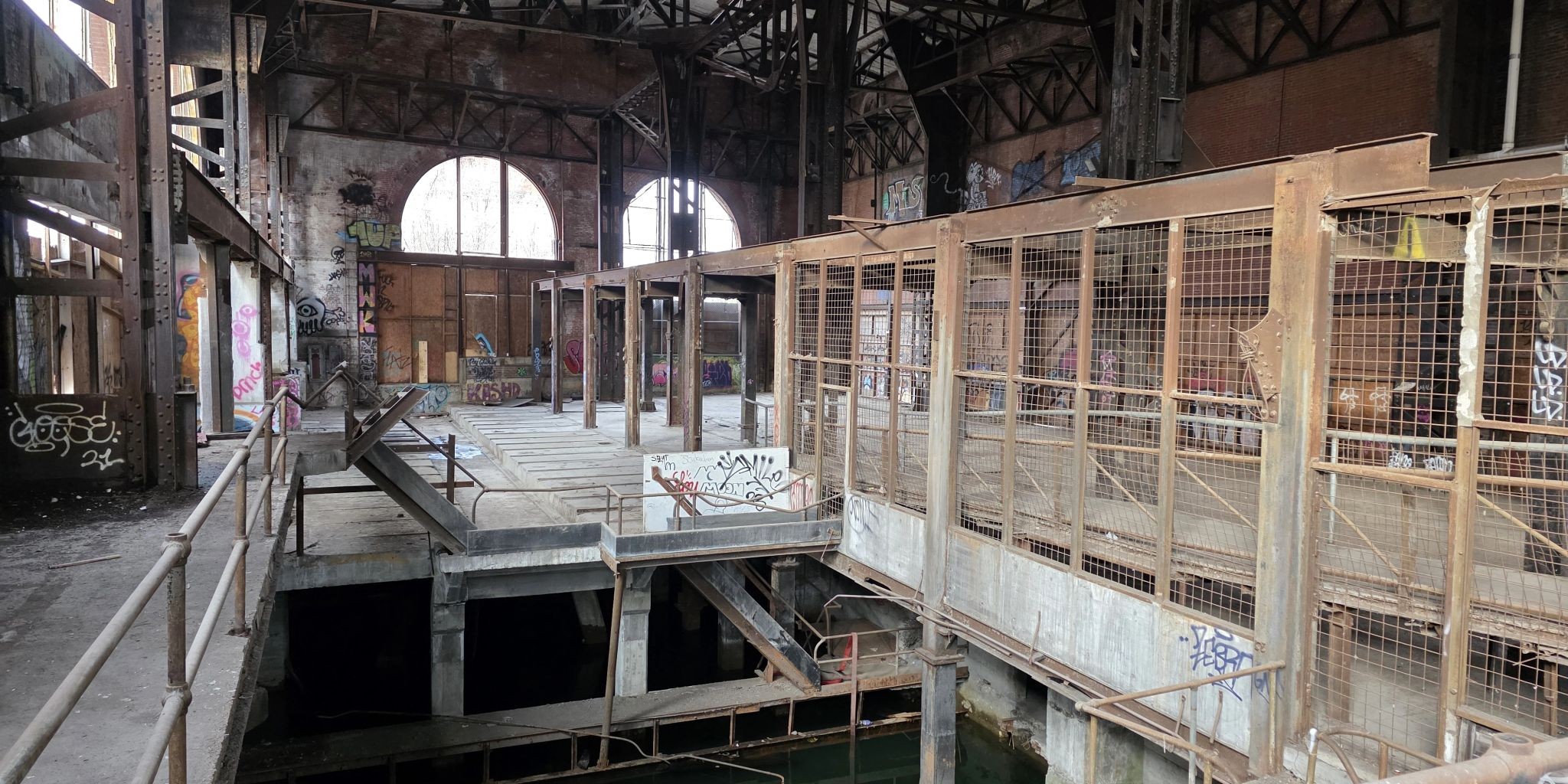
The national housing shortage continues to challenge municipalities, developers, and community stakeholders. At the same time, many markets are experiencing elevated vacancies in office, retail, and industrial properties. This imbalance has renewed interest in adaptive reuse as a financially driven strategy to increase housing supply, reduce development costs, and unlock value in underperforming assets.
Not every building is suited for residential conversion. Housing requires sufficient natural light, functional floorplate depths, safe exit paths, adaptable mechanical systems, and structural capacity for new layouts and amenities. Buildings with narrow floorplates, strong window coverage, and reconfigurable infrastructure tend to offer the most promising opportunities. Early feasibility assessments help project teams identify design constraints, avoid costly missteps, and confirm whether a structure can realistically support new residential use. Adaptive reuse can also shorten project schedules. Reusing an existing structure often accelerates permitting and construction while reducing the amount of new work required. In some cases, reuse allows developers to avoid certain code requirements that apply only to new construction, resulting in meaningful time and cost savings.
In this latest GlobeSt article, Gary Cohn shares strategies to make housing conversions more feasible and fundable.