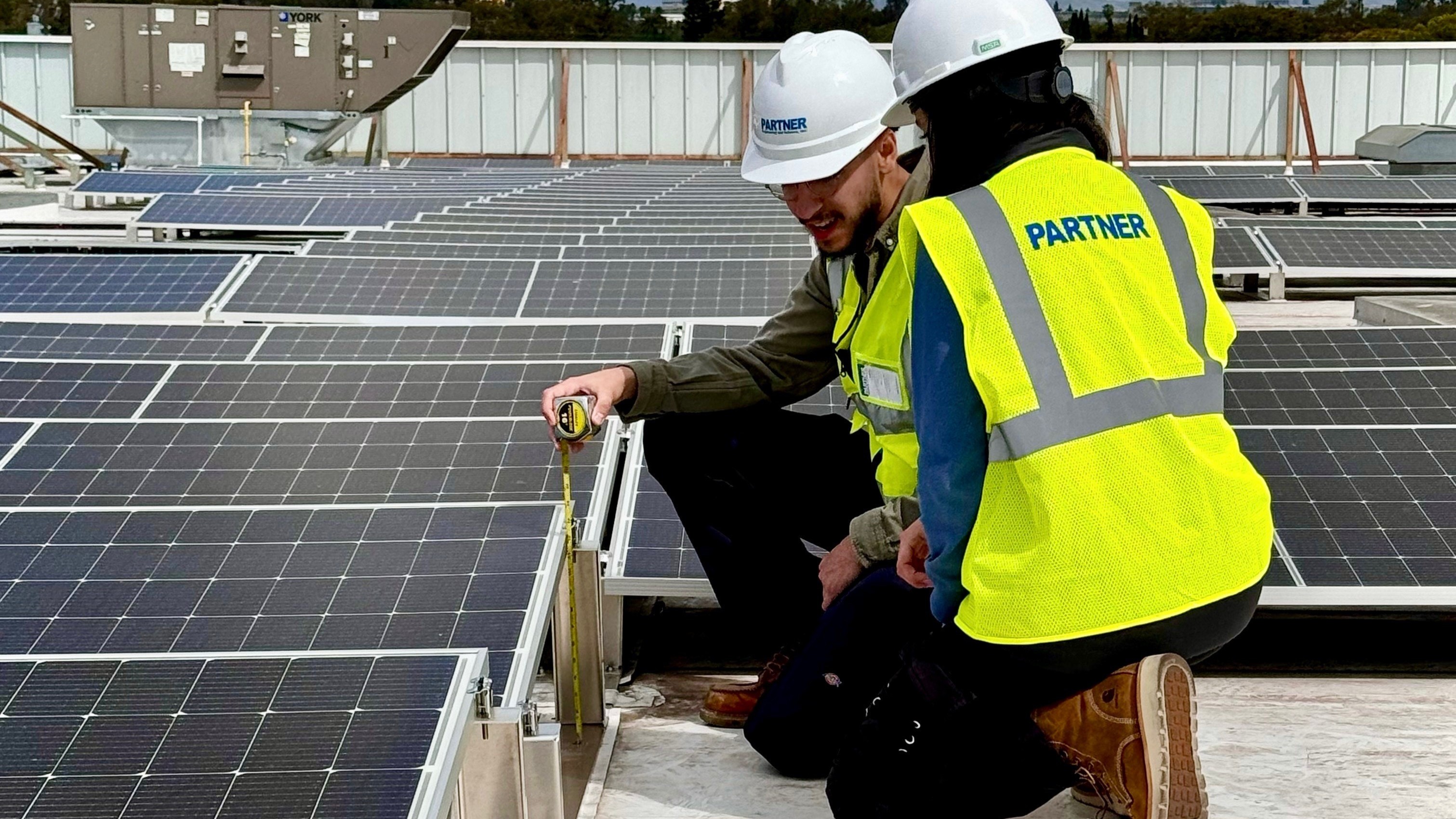
It is estimated that there are over 15 million acres of contaminated land in the U.S. alone, according to the National Renewable Energy Laboratory. This land includes landfills, former industrial and coal sites, and other types of brownfields. Although these properties can be a financial burden to their owners, repurposing them into solar projects can turn these liabilities into assets. Converting brownfields to solar not only reshapes unused and contaminated land into revenue for the owner, it also reduces dependence on fossil fuels, reduces electricity costs, helps to meet clean energy goals, and assists in job creation. In this article, Partner’s Gage Kellogg discuss:
- Why brownfields are ideal candidates for solar
- Review regulatory assistance options for “brightfield” development
- Discuss ways to analyze the risk of development and necessary steps to take prior to development
- Review case studies of landfill projects completed and their benefits
For the complete GlobeSt.com article, please click here