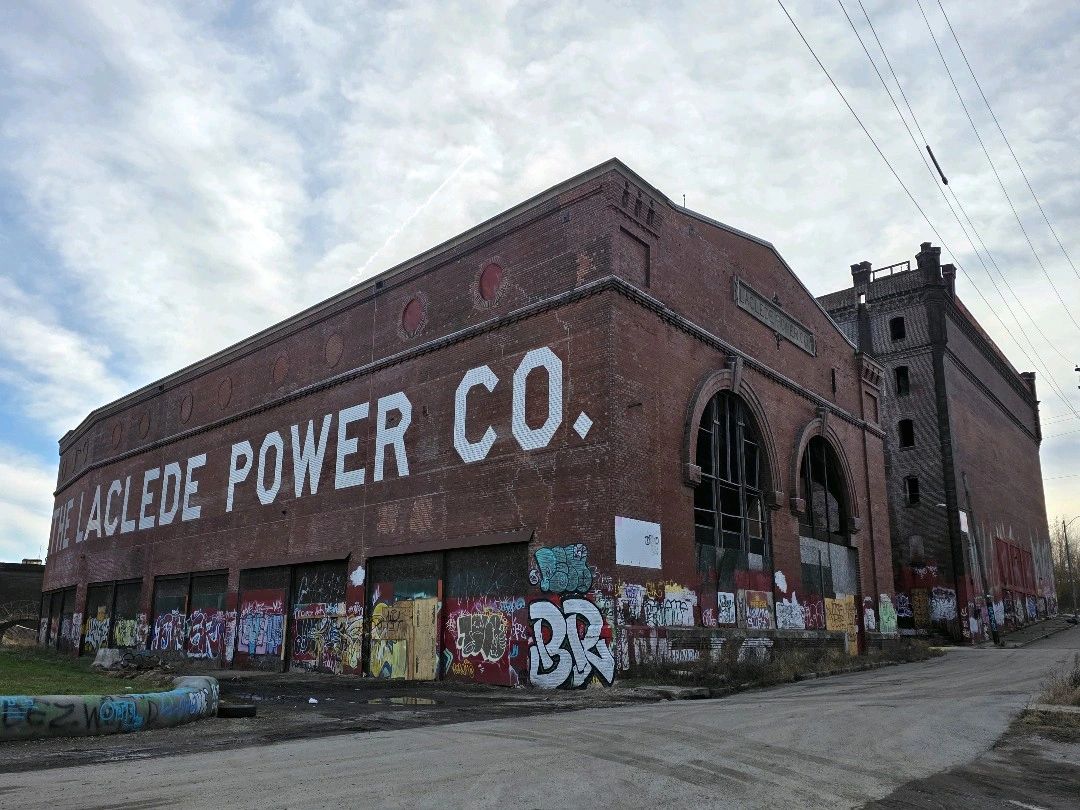
 Partner supported equity-level due diligence and redevelopment planning for the North Riverfront Industrial Historic Portfolio, a collection of seven early 20th-century industrial properties along the Mississippi River in St. Louis, Missouri. Developed between 1900 and 1909, the portfolio includes multi-story masonry warehouse and power infrastructure buildings within the North Riverfront Industrial Historic District.
The portfolio totals approximately 162,000 square feet of historic industrial structures, many of which are contributing resources eligible for Federal and State Historic Tax Credits. The redevelopment vision centers on adaptive reuse while addressing structural, environmental, building systems, and site constraints common to long-vacant riverfront assets.
Partner delivered integrated due diligence services to support acquisition and redevelopment decisions, including:
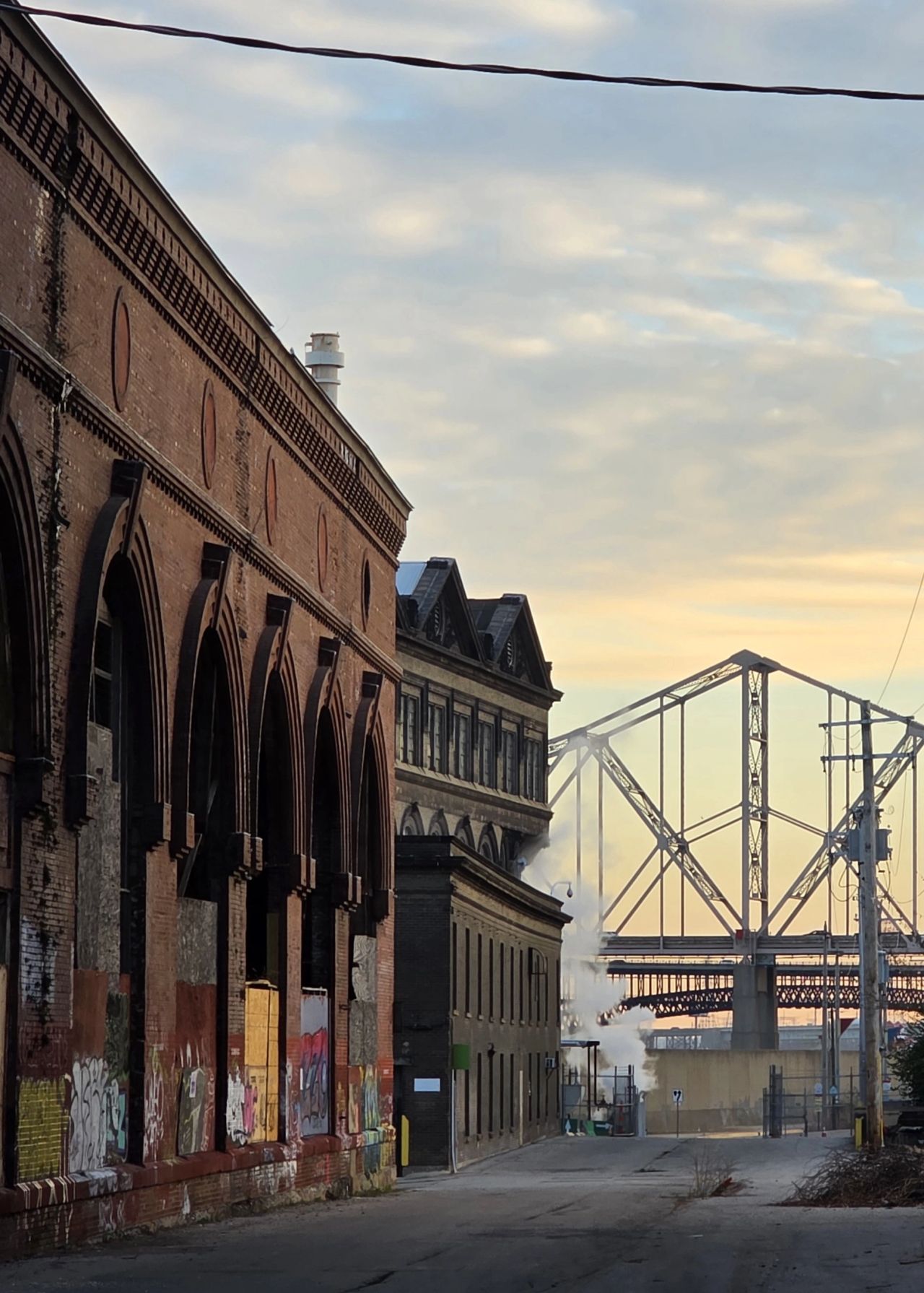
The portfolio presented challenges related to severe deferred maintenance, deteriorated structural systems, and water intrusion due to long-term vacancy. Complex structural systems required subspecialist evaluation, while environmental conditions reflected historic industrial use, including legacy fill, subsurface impacts, and groundwater intrusion.
Building systems and life-safety limitations were inherent to the original building layouts, while zoning and historic preservation requirements required coordination to maintain redevelopment feasibility and tax credit eligibility.
Partner’s multidisciplinary approach provided clear, defensible insight into physical, environmental, and regulatory conditions. The work quantified capital and structural repair needs, evaluated MEP system conditions, and confirmed that environmental conditions could be managed through phased mitigation.
ALTA survey and zoning analysis clarified site control and entitlement pathways, reducing acquisition and execution risk. These efforts supported informed decision-making around adaptive reuse, project phasing, and Historic Tax Credit strategy.
This work reduced uncertainty at the time of acquisition, clarified redevelopment costs, and provided a coordinated path forward. It aligned the client’s environmental strategy, structural considerations, and entitlement requirements to support a more efficient redevelopment of the historic riverfront portfolio.