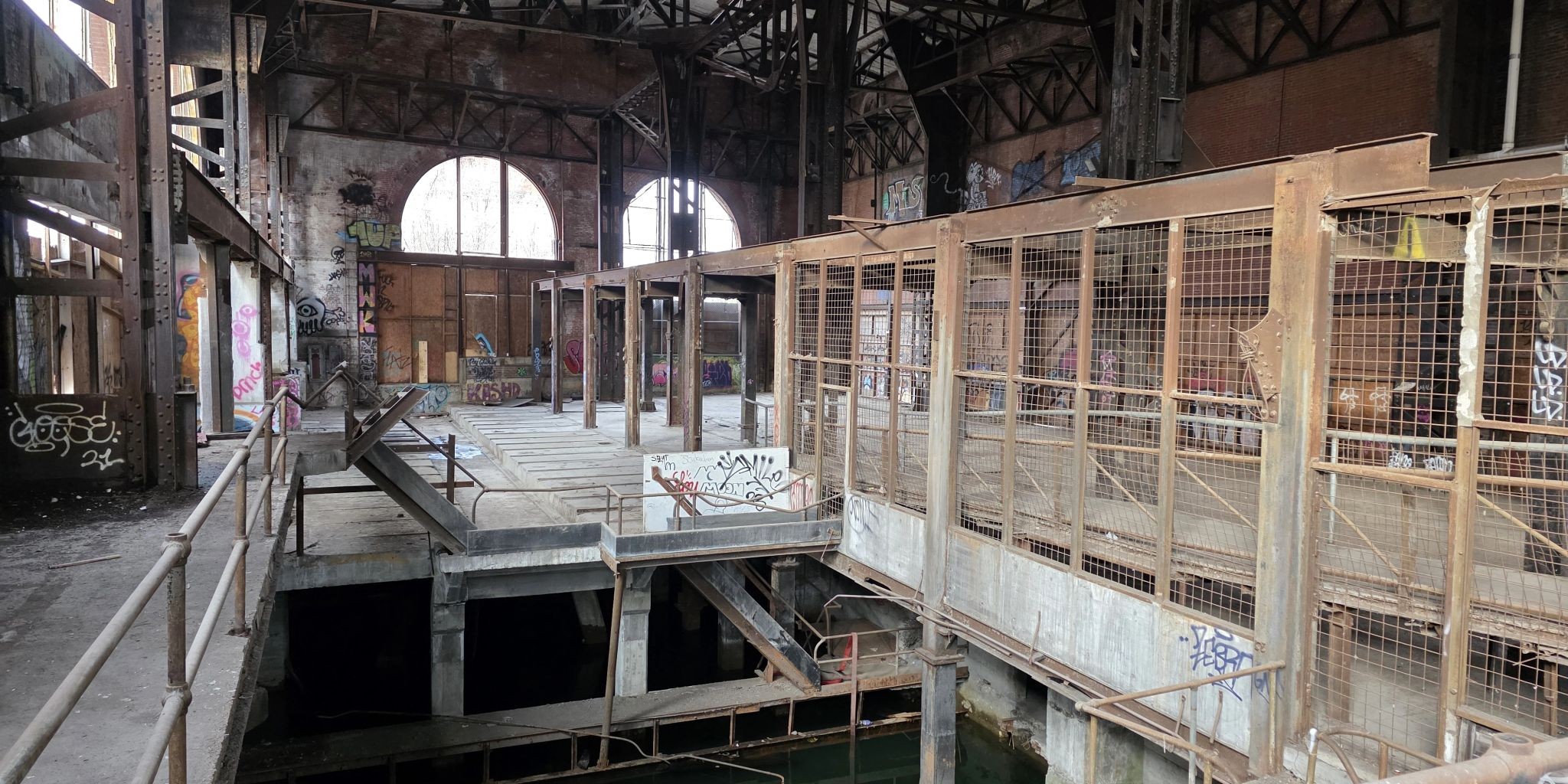
Retail Strategies for Leveraging Historic Assets to Build a Competitive Edge
By John Gajewski, MRICS, Technical Director of Historic Architecture Solutions at Partner, published on May 27, 2022 in Retail & Restaurant Facility Business.
In a highly competitive, complex and dynamically shifting retail market, all eyes are on innovative solutions, and the conditions created by the COVID-19 pandemic have provided a catalyst for transformation. Takeout eateries and online megastores dominate the retail market based on convenience, selection and pricing. Traditional retailers must compete on alternative measures. Urban Outfitters, RH (formerly known as Restoration Hardware) and the Old Spaghetti Factory, some of the brick-and-mortar retailers that have also faced growing disruption from e-commerce and pandemic fall-out, are turning to historic properties to compete for clientele. Rehabilitation of historic properties with their distinctive architecture and inimitable character, offer inherent differentiators, and with proper project risk mitigation can be a profitable venture that benefits the project owner, retail tenants, consumers and their communities. Here are some highlighted strategies demonstrating how retailers are leveraging historic buildings to build a competitive edge.
For more retail strategies for leveraging historic assets, read the full article on Retail & Restaurant Facility Business.