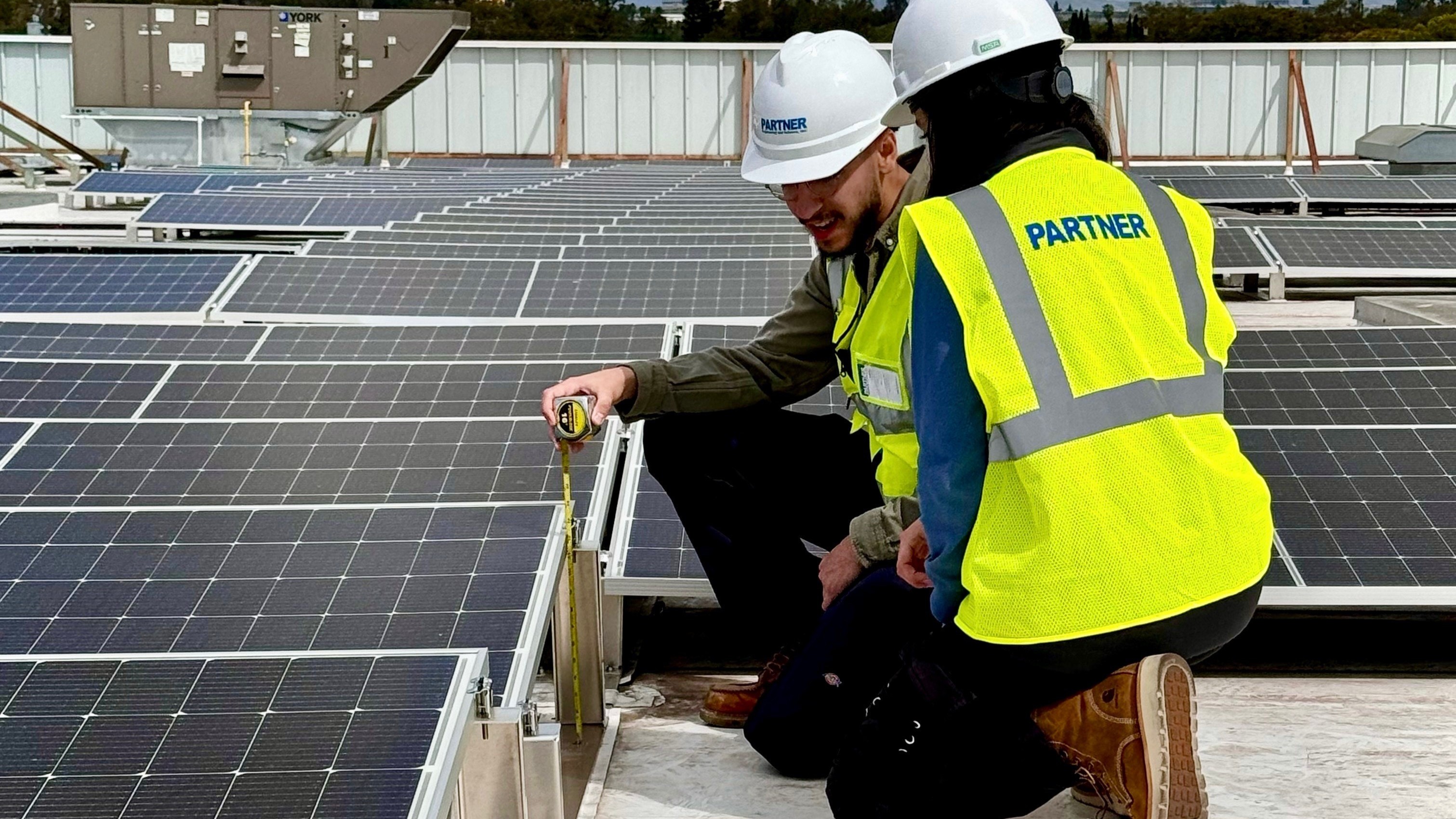
In 2023, Partner Engineering and Science, Inc. (Partner) navigated through a challenging year for the commercial real estate sector marked by high interest rates and banking sector uncertainty. The firm’s success was driven by growing investor demand for environmental consulting, such as Renewable Energy, Environmental, Social, Governance, and Resilience (ESG + R) services, and environmental remediation, aligning with the global environmental services market that generated $169.7 billion in revenue, according to ENR. In the commercial real estate industry, Partner is known as a top provider of Phase I Environmental Site Assessments.
Partner secured its position on Engineering News Record’s 2024 Top 200 Environmental Firms list through its expanded expertise in building efficiency, resilience, and renewable energy, along with its growing presence in both the public sector and international markets. This marks Partner’s 12th consecutive year on the prestigious list, which evaluates firms across multiple categories including:
- Hazardous/solid waste cleanup and management
- Nuclear/radioactive waste cleanup and management
- Air pollution control/renewable energy/energy efficiency
- Water supply and treatment
- Wastewater/stormwater treatment and management
- Environmental management
- Environmental sciences and planning
“We are proud to be selected for the 12th year in a row for ENR’s Top 200 Environmental Firms,” says Chief Operating Officer Monique Burrola. “As environmental and sustainability consulting becomes increasingly vital in our changing global environment, we’re excited to continue serving our clients’ evolving needs.”